

The Valve Center
Get a complete, personalized treatment plan from multiple heart specialists in one appointment.
The Valve Center at Stony Brook Heart Institute offers the most advanced care and technology for heart valve disease. Our team provides a comprehensive diagnosis and a clear path forward, all coordinated for your convenience.
We pride ourselves on prioritizing:
- Immediate access: Patients are typically seen within one week of referral.
- Coordinated care: Diagnostic testing and specialist consultations are combined into a single, efficient visit.
- Frequent communication: We work collaboratively with your cardiologist and primary care physician to ensure seamless care.
Conditions Treated
Our team specializes in evaluating and treating a wide range of heart valve diseases by using advancing imaging services like 3D echocardiograms, allow for a swift and accurate diagnosis during your visit.
Recognized for Excellence
We are recognized for our expertise in complex cases and our ability to provide precise diagnostic evaluations. The Echocardiography Laboratory at Stony Brook Heart Institute performs more than 13,000 imaging studies annually. It is the only laboratory in Suffolk County that has triple accreditation from the Intersocietal Accreditation Commission, and is one of only 25 laboratories in New York to hold this prestigious accomplishment.

Heart Valve Disease: Symptoms and Causes
Your heart’s valves work like tiny doors, opening and closing with every heartbeat to keep blood flowing in the right direction. But when a valve doesn’t open fully or doesn’t close properly, it can put extra strain on your heart and lead to serious health issues over time.
Valve Center Services
We offer a comprehensive range of the most advanced treatment options available, tailored to your needs.
- Mitral valve repair: We specialize in repairing a patient’s own mitral valve tissue rather than replacing it. This procedure reduces stroke risk and the need for long-term blood thinners. Stony Brook Heart Institute currently performs mitral valve repair procedures for more than 95 percent of appropriate patients, placing us among the top performing centers in the country for valve surgery.
- Transcatheter Aortic Valve Replacement (TAVR): Stony Brook was one of the first in the nation to offer this advanced, minimally invasive procedure for treating aortic stenosis, providing a safer option for many patients.
- Second opinion consultations: Our highly experienced valve team is available to provide independent evaluations and recommendations for patients and their referring physicians.
Our Team
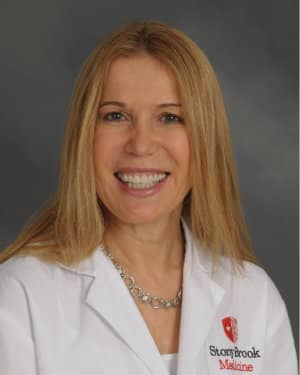
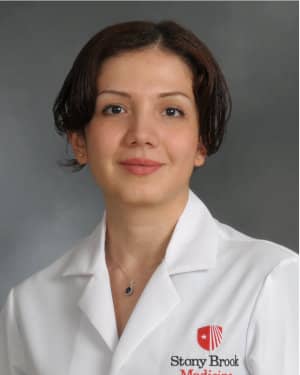
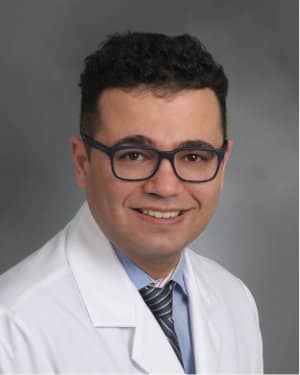
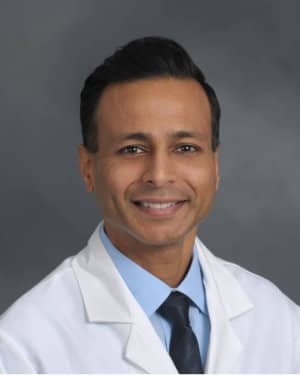
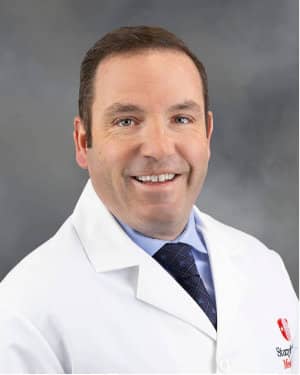
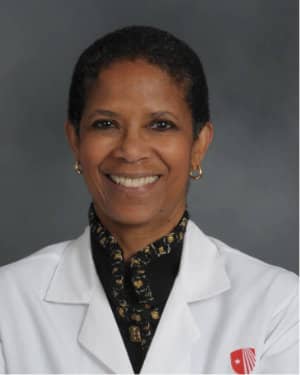
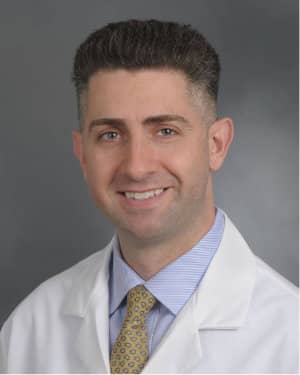
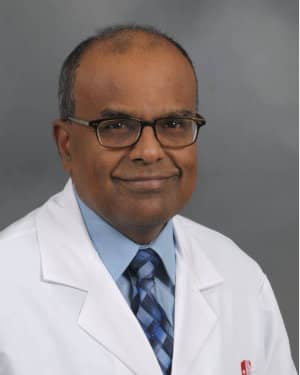
At your visit, you'll meet with several heart valve specialists, including both a cardiologist and a surgeon, in one appointment. This team works together to give you a thorough evaluation and recommend the best treatment. By the end, you'll understand your condition and plan for care.
Cardiovascular Imaging
Interventional Cardiologists

Cardiothoracic Surgeons
TAVR Coordinator
Valve Center FAQs
Echocardiography, which is an ultrasound exam of the heart, is often used when evaluating a patient with suspected or known valvular disease. It provides important information about the structure and function of the valves and of the heart muscle. Just like other ultrasound techniques, echocardiography is very safe. It is non-invasive, does not involve radiation, and is relatively fast to perform.
In addition to regular echocardiography, 3-dimensional echocardiogram may be used in order to provide more detailed anatomic picture of the heart. Some valvular pathology is better assessed using an echocardiogram probe mounted on a tube that is inserted into the stomach, in a test referred to as transesophageal echocardiography (TEE).
At Stony Brook Medicine, we have the ability to perform 3-dimensional TEE that provides more accurate and detailed information, and is available to be used whenever your doctors think it is indicated.
Sometimes a stress echocardiogram will be performed so your doctors can evaluate your functional capacity, assess your heart function during stress or evaluate for development of exertional symptoms. Other diagnostic tests may be necessary and could all be performed in our institution, including CT, MRI, or cardiac catheterization.
You can always be assured that our doctors will evaluate all the tests you already have had done, and will perform only those tests essential to fully understand your problem and guide treatment.
Sometimes, depending on what our doctors find, they may recommend that you come back at a later point and repeat the echocardiogram and possibly also the stress test. This decision is based on the degree of your valvular disease, on your symptoms as well as other parameters such as the effect of the valvular disease on the heart muscle and pressures in the lungs. All these parameters would also be taken into consideration when deciding how often you come back for follow up and for repeat testing. The follow-up plan will be discussed with you during your visit to our Valve Center, as well as situations in which you should return for evaluation sooner.
Yes. More than 90% of mitral valves can be repaired versus conventional mitral valve replacement. This will allow you to preserve your own tissue and preserve your heart function. Additionally, you will have less risk of infection and more long-term durability and improvement in your symptoms over the course of your lifetime.
Yes. The majority of all isolated valve procedures can be done with a small incision. This will allow quicker recovery, less pain, and faster return to work.
Yes. In mitral valve surgery, we can use the latest in robotic technology to repair your valve. This allows the surgeon improved dexterity, visualization, and repair techniques to give you the best mitral valve repair. It also allows for a faster recovery, less pain, and quicker return to work.
The risks for isolated mitral valve repair or aortic valve surgery are minimal, and are similar to any surgery. They include the risk of bleeding, infection, pneumonia, organ failure, stroke, and even a small risk of death. In general, these complications are expected in less than 5% of patients. During your consultation, your surgeon can tell you what your specific risks are.
For most patients who have valve surgery, it takes about 2-3 weeks to feel well, while some healing and recovery occur months thereafter. Actually, most patients typically feel better than before surgery once their valve is repaired. This should give you better quality of life.
Replacement of aortic valves without using open heart surgery is now done at a select number of hospitals, including Stony Brook University Hospital. Treatments for mitral valve leakages have also been developed for patients considered too high a risk for surgery.
