
Cardiothoracic Surgery Division
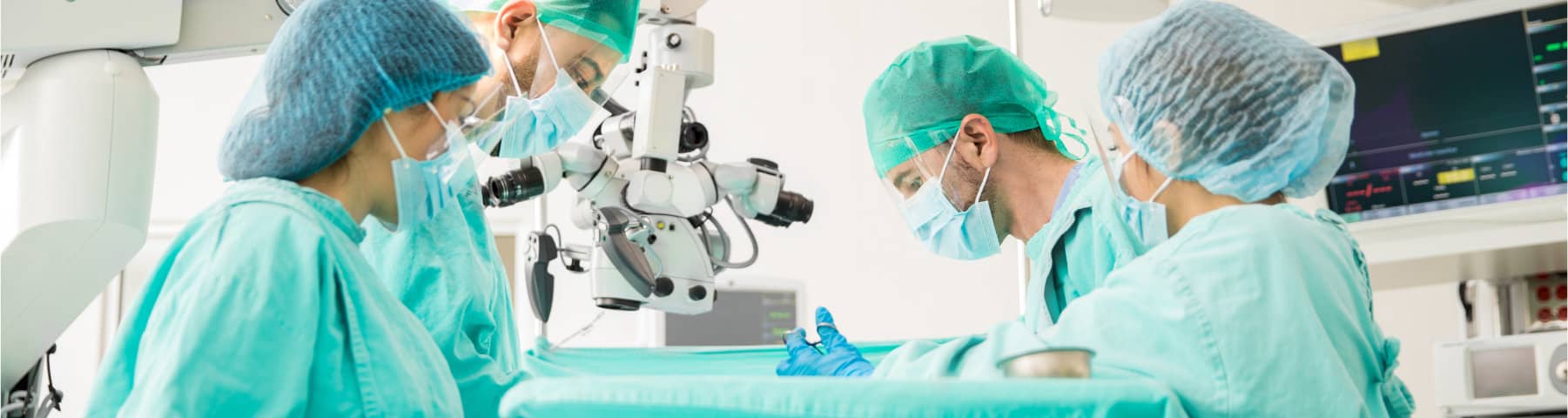
At Stony Brook Heart Institute’s Cardiothoracic Surgery Division, we deliver award-winning, patient-centered care using the most innovative techniques for your heart and chest.
We offer both minimally invasive and traditional surgical options, collaborating with you and your physician to create the best treatment plan. As regional pioneers, including being the first on Long Island to offer robotic-assisted heart surgery, our experts ensure access to the latest advancements in cardiovascular care.
Conditions Treated
Our cardiothoracic surgeons are highly regarded for their expertise in treating patients with complex and high-risk conditions, especially following a heart attack or heart failure. As a tertiary care center, we offer highly specialized care for a wide range of disorders, including:
- Coronary artery disease
- Heart valve disease (including aortic stenosis)
- Heart failure
- Adult congenital heart defects
- Idiopathic Hypertrophic Subaortic Stenosis (IHSS)
- Thoracic aortic aneurysms and dissections
- Traumatic aortic rupture
Cardiothoracic Surgery Services
Our services include:
- Coronary Artery Bypass Graft (CABG) surgery, including minimally invasive off-pump CABG, robotic-assisted CABG, and thoracoscopic CABG
- Valve surgery, including valve repair and replacement using minimally invasive alternatives or open surgery
- Transcatheter Aortic Valve Replacement (TAVR) for aortic stenosis for low-, moderate- and high-risk patients
- Advanced aortic surgery
- Extracorporeal membrane oxygenation (ECMO)
- Ventricular Assist Device (VAD) implantation, including destination therapy, biventricular assist device, and intra-aortic balloon pump (IABP)
- Cardiac reconstructive surgery
- Adult congenital heart surgery
- Blood conservation surgery
- Idiopathic hypertrophic subaortic stenosis (IHSS) reconstruction
- Major aortic surgery and endovascular aortic surgery for thoracic aortic aneurysm, thoracic aortic dissection, and traumatic aortic rupture
- Surgery without use of blood transfusion, known as blood conservation
- Conventional open-heart surgery
Our Team
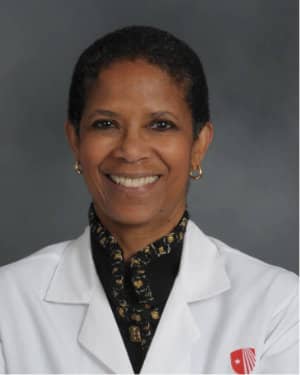
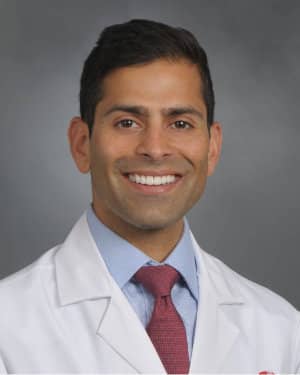
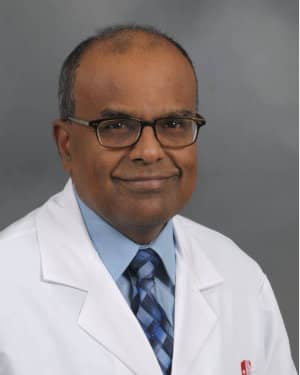
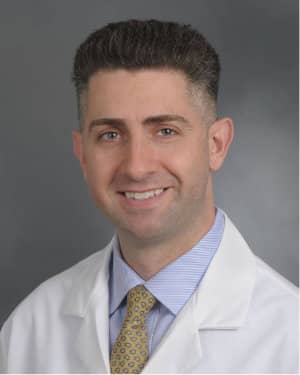
Each of our experts is a forerunner in cardiothoracic surgery with considerable experience in these procedures. They are board certified in thoracic surgery, general surgery and surgical critical care, ensuring you receive the highest level of expertise.
Frequently Asked Questions
In robot-assisted heart surgery, the surgeon is always in control. The Da Vinci surgical robot is a sophisticated tool that assists the surgeon in performing minimally invasive procedures, such as coronary artery bypass, mitral and tricuspid valve repair or replacement, cardiac tumor removal, and certain defect repairs.
The robot does not operate autonomously. Instead, it enhances the surgeon’s capabilities by providing a magnified 3D view of the surgical area and translating the surgeon’s hand movements into precise, finely-graded motions of the robotic instruments. These instruments offer greater precision and range of motion than the human hand, allowing the surgeon to work effectively in confined spaces with minimal incisions.
Without the surgeon’s expertise to guide it, the robot is simply an advanced tool waiting for direction.
More than 90 percent of mitral valves can be repaired versus conventional mitral valve replacement. This will allow you to preserve your own tissue and preserve your heart function. Additionally, you will have less risk of infection and more long-term durability and improvement in your symptoms over the course of your lifetime.
The majority of all isolated valve procedures can be done with a small incision. This will allow quicker recovery, less pain, and faster return to work.
In mitral valve surgery, we can use the latest in robotic technology to repair your valve. This allows the surgeon improved dexterity, visualization, and repair techniques to give you the best mitral valve repair. It also allows for a faster recovery, less pain and quicker return to work.
The risks for isolated mitral valve repair or aortic valve surgery are minimal, and are similar to any surgery. They include the risk of bleeding, infection, pneumonia, organ failure, stroke and even a small risk of death. In general, these complications are expected in less than 5 percent of patients. During your consultation, your surgeon can tell you what your specific risks are.
For most patients who have valve surgery, it takes about two to three weeks to feel well, while some healing and recovery occur months thereafter. Actually, most patients typically feel better than before surgery once their valve is repaired. This should give you better quality of life.
Heart failure is classified from Class 1 (mild symptoms controlled with medication) to Class 4 (severe symptoms despite maximal medical treatment). Heart transplantation is the gold standard treatment for Class 4 heart failure, but is limited because of a shortage of donors and concomitant patient features such as significant kidney disease or history of cancer. The left ventricular assist device (LVAD) was developed initially as a "bridge" to help patients accepted for transplant survive until they received a new heart.
In February 2010, the FDA approved the LVAD called HeartMate 2 as "destination therapy," so that appropriate patients with Class 3 or 4 heart failure, who are ineligible for a transplant, might be supported indefinitely by the device. It is piggy-backed onto the left ventricle, the main pumping chamber of the heart. The blood pump sits in a pocket under the heart and pumps blood up to the aorta, the main artery exiting the heart. All is contained within the body except for the driveline, an electrical cord, which is connected to a power source. This may be a plug-in power-based unit, when the patient is stationary, as when in bed at night, or a battery pack which allows freedom of movement.
Studies show a significant improvement in quality of life with the HeartMate 2 compared to conventional medical treatment.
