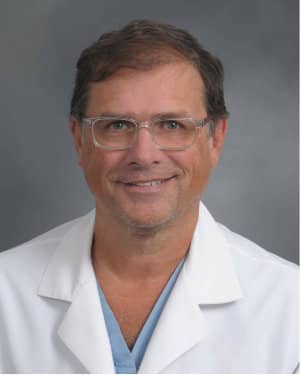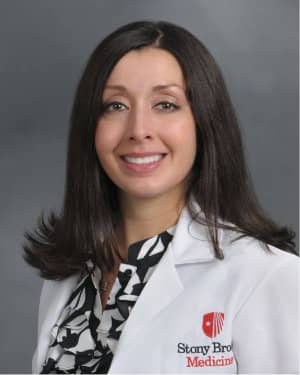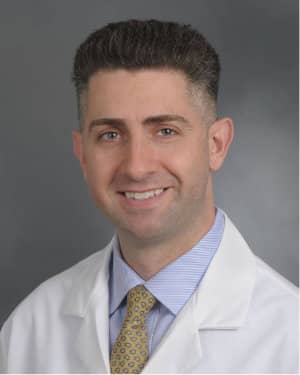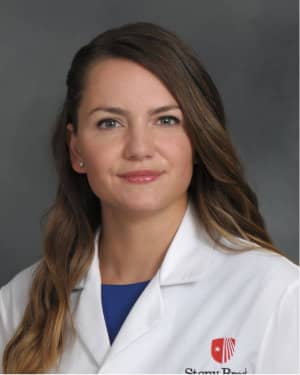
Stony Brook Aortic Center
Patients don't have to travel far to receive the very best in detection of and treatment for aortic conditions.
Stony Brook Aortic Center, which is part of the Stony Brook Vascular Center and closely allied with the Heart Institute, is Suffolk County's only facility offering patients comprehensive and coordinated care for the full range of aortic conditions.
The Center offers personalized care to help manage and treat a patient's aortic condition. Our multidisciplinary team of physicians including specialists in cardiac imaging, cardiovascular medicine, anesthesiology, cardiothoracic surgery and vascular surgery, work closely with each other and with patients' referring physicians.
To provide the best care for our patients:
- Every patient receives easy-to-understand materials to help explain their aortic condition and treatment options.
- Clinical navigators are available to guide patients and their families through every step of the process. From before surgery to postoperative care, they help ensure patients and their families have the support and resources they need. Clinical navigators also act as liaisons between the patient and attending physician to provide a seamless course of care.
- Doctors regularly participate in programs to improve vascular health. These efforts lead to outstanding results that are on par with some of the largest medical centers in the Northeast.
We are committed to providing patients with an appointment within one week of referral from their physician to expedite our delivery of care.
Conditions Treated
Stony Brook Aortic Center physicians are experienced in treating patients with co-existing conditions and other high-risk factors. They offer diagnosis and treatment for all aortic diseases, including:
- Ascending, arch and descending thoracic aortic aneurysms
- Thoracoabdominal aortic aneurysms
- Abdominal aortic aneurysms
- Acute and chronic type A and B aortic dissections
- Aortic root and valve disease
- Native aortic and prosthetic graft infections
- Aortoiliac occlusive and thromboembolic disease
- Congenital aortic disease
- Mesenteric and renal aneurysmal and occlusive disease
- Marfan syndrome

Aortic Dissection: Your Guide to Symptoms and Risks
The aorta is the largest artery in your body, carrying blood from your heart to the rest of your organs. An aortic dissection is a serious, life-threatening condition that happens when the inner layer of this major artery tears.
Aortic Center Services
Our minimally invasive interventions allow us to treat a wide spectrum of patients, with shorter hospital stays and fewer postoperative complications. Our advanced interventions include:
- Endovascular stent grafts for abdominal and thoracic aortic aneurysms
- Incisionless repair of abdominal aortic aneurysm
- Custom-built fenestrated stent grafts to treat aneurysms with complex anatomy
- Endovascular treatment of aortic dissections
- Valve-sparing aortic procedures
- Visceral debranching and stent grafting for thoracoabdominal aneurysm
- Techniques for brain and spinal cord protection during aortic procedures
- Complex aortic re-interventions
Aortic Stenting
Our program is especially effective in aortic stenting, where you receive superior specialty care for an aortic aneurysm — a potentially serious condition if left untreated.
An aortic stent, also called an aortic stent graft, is a metal skeleton inside a fabric graft. A graft works by exerting pressure against the portions of the artery above and below the aneurysm to cut off circulation to the aneurysm. The stent fits inside the aorta, creating a safe tunnel through which blood can pass, thereby allowing the aneurysm to shrink.
In addition to traditional methods of aneurysm repair, which involve extensive surgery, a large incision and a long recovery time, Stony Brook Medicine can perform this procedure endovascularly. Endovascular means that the procedure is done within the vessel; it is performed inside the aorta through a small incision in the groin area using special devices inserted through a catheter (a thin, flexible tube). Because of the minimally invasive method, your hospital stay is shorter, you recover more quickly, you have less pain, and you have less scarring.
To learn about surgery for aortic aneurysm and dissection, click here.
Arterial Screening Program
Aneurysms and strokes, common conditions caused by vascular disease, can strike suddenly and without warning. That’s why it’s best to identify and treat underlying causes before symptoms appear.
Stony Brook Medicine offers free screenings to help detect vascular disease. Performed by a vascular technologist during a single visit and results are reviewed by a vascular surgeon. The tests include:
- Carotid ultrasound, to check for clogged carotid arteries in the neck, which can lead to stroke.
- Abdominal aortic ultrasound, to test for aortic aneurysm, which can burst if reaching a large size.
- Ankle-brachial index, to check for peripheral arterial disease (PAD), which may pose a threat to the health of your legs and is often a sign of heart disease.
Get more information about the Stony Brook Aortic Center.