

Left Ventricular Assist Device (VAD) Program

Improve your quality of life with a ventricular assist device, a surgically implanted pump that supports your heart.
Stony Brook Heart Institute is home to Long Island's first and most experienced Ventricular Assist Device (VAD) program. We were the first on Long Island to implant this lifesaving device in 2010 and have been continuously certified by The Joint Commission since 2011, a testament to our high-quality care.
Our dedicated VAD team at Stony Brook Heart Institute uses innovative technology and devices, like the HeartMate III™, to help patients with advanced heart failure reduce their symptoms and prolong life.
Conditions Treated
You may benefit from a VAD if you have advanced heart failure and experience any of the following:
- Your condition is worsening, requiring frequent medication changes.
- You have been hospitalized multiple times for heart failure.
- You have not felt better despite having a biventricular pacemaker.
VAD Services
A VAD can be used as a temporary measure or as lifelong support. Our team will work with you to determine the best approach for your specific needs.
- Transplantation: When heart disease and symptoms are severe, patients may qualify for heart transplantation. To be considered for transplantation, patients must be first evaluated and then accepted for the transplant waiting list.
- Bridge to transplantation: A VAD can support your heart while you wait for a heart transplant, keeping you stable and improving your condition before surgery.
- Destination therapy: For patients who are not eligible for a transplant, a VAD can be implanted for lifelong support, offering a significantly improved quality of life compared to medical treatment alone.
- Bridge to recovery: In some cases, a VAD can help the heart rest and recover its function, potentially allowing for the device to be removed later.
LVAD implantation requires open-heart surgery. Here’s a simplified overview of the process:
- Preparation: Once you’re under anesthesia, the surgeon will make an incision in your chest and separate the breastbone (sternotomy) to access your heart.
- Heart-Lung bypass: You’ll be connected to a heart-lung bypass machine, which temporarily takes over your heart’s function during the procedure.
- LVAD placement:
- A pocket is created in your upper abdominal wall to hold the LVAD.
- A tube is connected from your left ventricle to the LVAD.
- Another tube is connected from the LVAD to your aorta.
- The LVAD is connected to its power source.
- Activation and adjustment: The LVAD is activated and adjusted to ensure it pumps blood correctly.
- Completion: Your heart is restarted, the bypass machine is removed and the incision is closed.
This streamlined process ensures the LVAD is properly positioned and functioning to support your heart.
There is a small risk of complications from this procedure that includes (but is not limited to) infection, bleeding, heart failure, breathing problems, blood clots and stroke or brain damage. Your surgeon will discuss the possible risks of the LVAD implantation.
- ICU recovery: After surgery, you’ll be moved to the intensive care unit (ICU) for close monitoring.
- A breathing tube will help you breathe until you’re awake and can breathe on your own.
- You’ll have IV lines for medications and fluids, as well as drainage tubes, which will be removed as you recover.
- Hospital stay: Once stable, you’ll move from the ICU to a regular hospital room.
- ICU stay: two to five days (on average).
- Total hospital stay: two to four weeks, depending on your recovery.
- Education and support: During your stay, you and your family will learn how the LVAD works and how to care for it.
- A dedicated team of nurses and specialists will guide you through the process.
- 24/7 support is available to ensure you feel confident managing the device.
Our goal is to make sure you and your family are fully prepared and comfortable with LVAD care before leaving the hospital.
Read Our Patient Stories
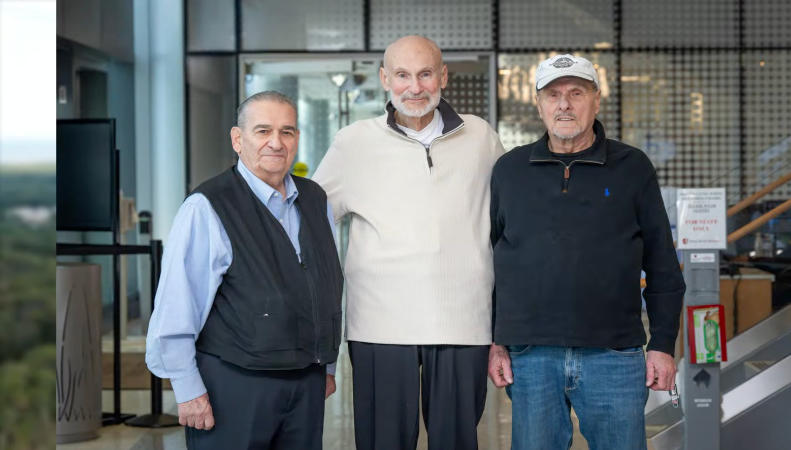
Celebrating 13 Years of Lifesaving LVAD Care
Patients and experts from Stony Brook Heart Institute’s Left Ventricular Assist Device (LVAD) Program gathered to celebrate 13 years of lifesaving heart care. Patients also marked their own heart care journeys alongside the program’s anniversary.
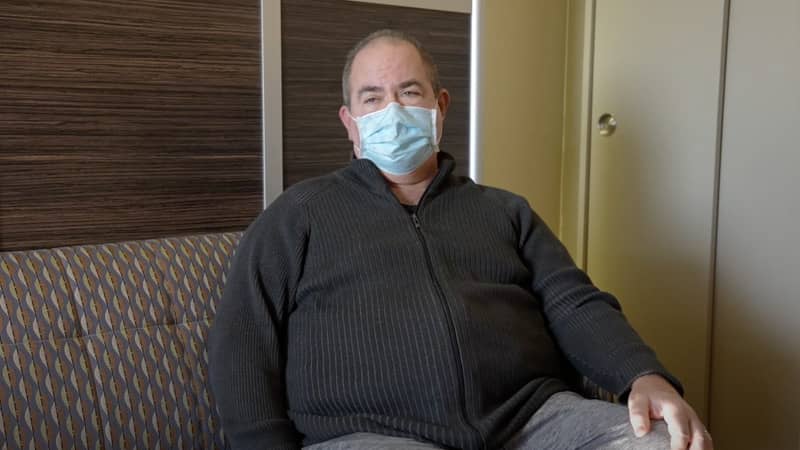
Meet Ed O'Donnell: Life With an LVAD
Ed O’Donnell, a patient of Stony Brook Heart Institute, describes what it's like to live with a left ventricular assist device (LVAD).

Meet Joseph Cerqueira: Lifesaving VAD Intervention
Joseph was diagnosed with severe heart failure after two heart attacks. At the same time, he discovered he had type 2 diabetes.
Our Team
Meet the dedicated experts behind Long Island's most experienced VAD program. Our multidisciplinary team is passionately committed to your care. We work side-by-side with you and your physicians to create a personalized treatment plan designed for your unique needs.
Your journey with us extends far beyond surgery. We provide lifelong monitoring and dedicated follow-up to ensure your continued success and well-being. Think of us as your partners, here to support you every step of the way as you regain your quality of life.
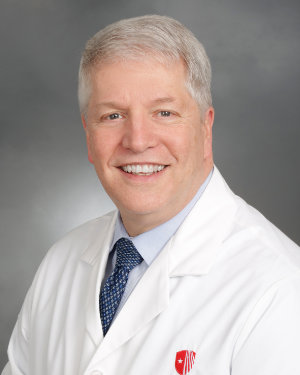

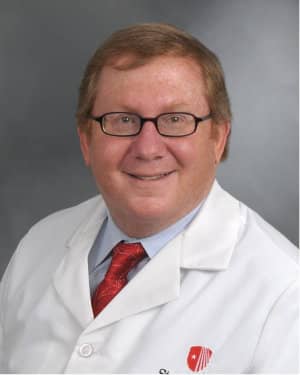
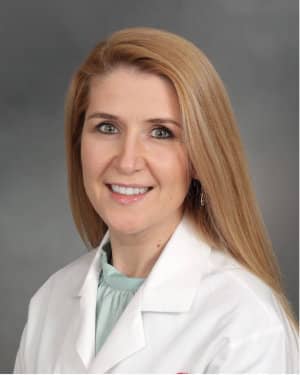

VAD Care Team Specialists
- Jillian Fitzgerald, MSNEd, BSN, RN, Lead VAD Coordinator
- Peter Reilly, NP, VAD Coordinator
- Anne Marie Berggren, RDN, MS, CDN, CNSC, Clinical Nutritionist
- Emily Cullen, LCSW, Social Worker\
- Anthony Caracciolo, LCSW, Social Worker
- Philip Travaglia, RN, Clinical Documentation Specialist
- Daphne Caceres-Paladino, Heart Failure and VAD Program Administrative Assistant
Patient Frequently Asked Questions
A Left Ventricular Assist Device or LVAD is a surgically implanted, electrically (battery) powered pump that helps a failing heart's left ventricle pump adequate amounts of blood to the body.
Heart failure, where the heart is not strong enough to pump blood for your body's needs, is classified from Class 1 (mild) to 4 (severe). Heart transplantation is the gold standard treatment for Class 4 heart failure. If you are waiting for a heart transplant or are ineligible for transplant and are doing poorly with maximal medical therapy, an LVAD can be lifesaving and improve your quality of life.
Your doctors will continue to optimize your medications. However, the mortality of Class 4 heart failure, especially if you have been hospitalized multiple times for exacerbations, approaches 50%.
Yes. The device helps the left side of your heart. Medications are needed to help optimize function of the right side of the heart and to help remodeling of the heart. A small percentage of patients experience recovery of heart function with this strategy.
Most often, patients stay in the Cardiac Surgical Intensive Care Unit for about 1 week after surgery, and then in our Step Down Unit for 1 to 2 weeks. Discharge timing depends on physical recovery after surgery and familiarity with care of the LVAD.
Yes. A shower kit is provided. We will teach you how to use it and practice in the hospital before you go home.
Yes, depending on the kind of work you do. There are some physical restrictions that your physician will discuss with you. But barring these, once you have recovered from surgery, you should be able to return to work.
Physical activity involving heavy contact that might cause bruising around the device is inadvisable. Also, you may not submerge in water (as in swimming).
The longest device has been in a patient for about seven years. Testing by the manufacturers suggests that the LVAD should provide support for at least 10 years.
Currently, the batteries last for 14 hours.
If you are evaluated and deemed appropriate for a heart transplant, then you may receive an LVAD as a "bridge to transplant." Once a heart is available (waiting times may be as long as 1 to 2 years), you may then receive your transplant. Some patients are initially deemed ineligible for a transplant and receive an LVAD as an alternative, for what is called "destination therapy." This LVAD use may improve your overall condition, where you may now be reassessed and found to be a candidate for heart transplant.
There are multiple alarms on the device to indicate that a problem is brewing. Notify your LVAD coordinator immediately if there is such a problem.
Complications include wound infection of the driveline and bleeding. These may be minimized by working closely with your healthcare team.
Yes. Many patients travel by land, air, and sea with their LVAD. You must take all your equipment with you (not packed away in cargo). Your route and destination should include areas with an LVAD program in the event of an emergency.
Our LVAD coordinators are available 24 hours a day, 7 days a week. For ANY concerns, call our VAD phone at (631) 617-2541.
Physician Frequently Asked Questions
The indications for referral for LVAD implantation are as follows:
- Two or more hospitalizations for heart failure in the past six months
- Intolerance of heart failure medications
- No benefit from cardiac resynchronization via a biventricular pacemaker
- On, or being considered for, inotropic support
- Class 4 heart failure and ineligibility for transplant
- Cardiac cachexia
When we first see a patient referred for LVAD implantation, a comprehensive review is initiated. Multiple baseline tests are obtained, and patients are evaluated by all specialty services including renal, gastroenterology, pulmonary, psychiatry, nutrition, and social services, in order to ensure there are no contraindications to implant. A decision is made regarding implant as a "bridge to transplant" (BTT) versus "destination therapy" (DT). For outpatients, this process may take weeks to months. For patients who are unstable or clinically deteriorating, the process is fast tracked. Some patients require inotropic support or an intra-aortic balloon pump (IABP) prior to VAD implantation.
Patients are seen initially weekly, then monthly, in our LVAD outpatient clinic. However, we ask that they also follow up with you. During the office visit with you,
- When obtaining vital signs, remember your patient may not have a palpable pulse; mean blood pressure (BP) may be obtained with a Doppler. Goal mean arterial pressure (MAP) ranges from 65 to 85.
- Patients can develop aortic insufficiency with long-term VAD support, so onset of a new diastolic murmur would be a concern, and should prompt an echocardiogram and communication with our VAD team.
- Gastrointestinal bleed can also occur in up to 15-20% of patients on long-term VAD support. Reports of tarry stools or signs of anemia would be a concern, and should prompt communication with our VAD team.
Our VAD coordinators are available at all times. Please call (631) 617-2541 with questions or concerns.
A baseline EKG and echocardiogram are performed prior to the patient's discharge from the hospital. These should be repeated annually, or if clinically indicated. In addition, at Stony Brook, we perform the "6-minute walk test" at several intervals postoperatively to assess functionality and quality of life. Patients with an automatic implanted cardiac defibrillator (AICD) should have their device interrogated at regular intervals.
We have excellent relationships with three of the New York-based transplant programs: Columbia University, Montefiore Medical Center, and Mount Sinai Medical Center. Our "bridge to transplant" patients have been evaluated and are listed for transplant at all three centers. As of January 2013, two of our patients have received heart transplants at Montefiore, and they are doing well.
We implant the HeartMate II LVAD, manufactured by Thoratec. This was the first FDA approved device for both "bridge to transplant" (BTT) and "destination therapy" (DT).
Heartware is a new smaller continuous-flow LVAD approved by the FDA in October 2012 for BTT. We will begin offering this pump to appropriate patients as the company rolls out support to implant centers.
Referrals may be made to Dr. Hal Skopicki of our Heart Failure Center at (631) 444-8258 or (631) 444-9600.
The LVAD phone is staffed 24 hours a day, 7 days a week, and we are happy to take your calls at any time. The LVAD phone number is (631) 617-2541.
