

Heart Rhythm Center
At Stony Brook’s Heart Rhythm Center, we provide expert, compassionate care to help you navigate the uncertainty of a heart rhythm disorder.
Heart rhythm problems, or arrhythmias, can be unpredictable and frightening. Our dedicated electrophysiology team offers comprehensive arrhythmia management, using a collaborative and multidisciplinary approach to your treatment. We believe in open communication and work closely with you, your family and your cardiologist to ensure you get the best care.
Conditions Treated
An arrhythmia is a disturbance in the rate or rhythm of your heartbeat. Our specialists diagnose and treat the full spectrum of these conditions, from harmless to life-threatening, using minimally invasive techniques to restore your heart's normal rhythm.
Stony Brook is the only center in Suffolk County that performs ablation procedures for complex arrhythmias like atrial fibrillation and ventricular tachycardia.
Heart Rhythm Center Services
Our team combines medical expertise with advanced technologies to deliver personalized care. We stay at the forefront of electrophysiology through our deep involvement in heart rhythm research, which means we can provide you with access to tomorrow's treatments today.
- Comprehensive arrhythmia consultation: We offer complete arrhythmia evaluations, including advanced diagnostic procedures and medication management.
- Electrophysiology studies: Our doctors use state-of-the-art technology to record the electrical activity in your heart to pinpoint the source of an arrhythmia.
- Catheter ablation: Using advanced 3D mapping systems, we precisely locate and treat the heart tissue causing the arrhythmia. This minimally invasive approach means less pain, a shorter healing time and reduced infection risk.
- Evaluation of syncope: We use tilt table testing to diagnose the cause of fainting spells.
- Implantable and wearable devices:
- Implantable Cardioverter-Defibrillator (ICD) and pacemakers: We implant and manage devices like the Micra™ leadless pacemaker — which is 93 percent smaller than traditional pacemakers — to correct or prevent abnormal heartbeats.
- Cardiac Resynchronization Therapy (CRT): For patients with heart failure, we can implant a biventricular defibrillator to help the heart contract more efficiently.
- WATCHMAN™ Implant: For patients with AFib, this FDA-approved implant provides a safe and effective alternative to long-term blood thinners for stroke prevention.
- Implantable Cardioverter-Defibrillator (ICD) and pacemakers: We implant and manage devices like the Micra™ leadless pacemaker — which is 93 percent smaller than traditional pacemakers — to correct or prevent abnormal heartbeats.
- Long-term device monitoring: We use remote monitoring to check your implanted device from the comfort of your home, allowing our physicians to ensure it is performing properly without an office visit.
- Laser-assisted lead extraction: Our specialists use advanced laser technology to safely and effectively remove nonfunctioning pacemaker and ICD leads.

Atrial Fibrillation (AFib) Signs, Symptoms and Treatment
Atrial fibrillation (AFib) is a common type of irregular heartbeat that affects an estimated five million Americans.
Our Team
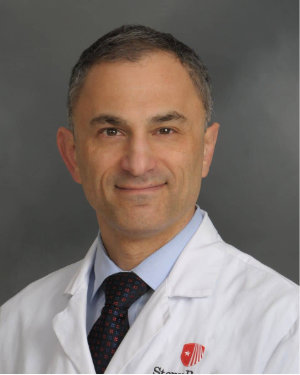
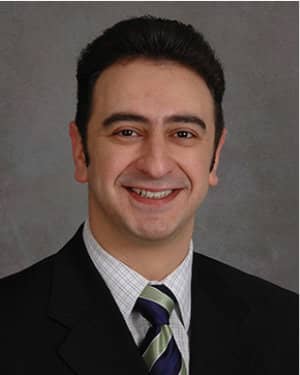
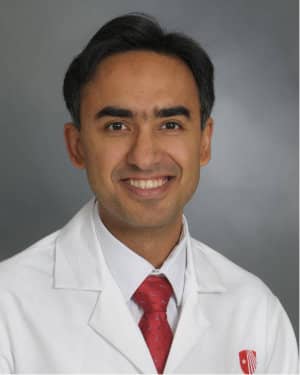
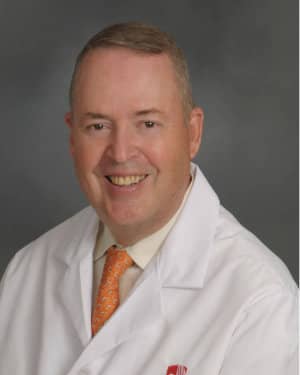
With decades of training, insight from cutting-edge research and a patient-focused approach, our team is dedicated to providing you with superior outcomes and a positive experience.

Location
The Heart Rhythm Center is conveniently located within the Stony Brook Heart Institute.
Stony Brook Heart Institute
101 Nicolls Road
Stony Brook, NY 11794
Frequently Asked Questions
Atrial fibrillation is the most common heart arrhythmia in the U.S. It usually involves a rapid heart rate, where the upper heart chambers (atria) are stimulated to contract in a disorganized and abnormal manner. It is most often caused by abnormal electrical firing in the areas where the veins that drain blood from the lungs (pulmonary veins) connect to the left atrium. Atrial fibrillation can be related to high blood pressure, an overactive thyroid, congestive heart failure or diseased heart valves, or can occur in patients with structurally normal hearts who do not have an obvious predisposing condition. It is important to be diagnosed and treated as early as possible.
There are many. Typical symptoms include a racing heart or palpitations, but some patients have more subtle symptoms such as shortness of breath or fatigue, without palpitations.
Initial treatment is medication. If this fails, ablation, which involves cauterization of abnormal heart tissue, is recommended. The goal is to eliminate the electrical connections between the pulmonary veins and the left atrium so that the abnormal impulses from those veins cannot stimulate the rest of the heart, the cause of the atrial fibrillation. Typically, ablation has been done manually by directing a catheter (a thin flexible tube) within the left atrium (left upper chamber of the heart). Although atrial fibrillation is a common arrhythmia, the ablation procedure to fix it is very complex and can only be done at major medical centers with a high level of technical expertise. In Suffolk County, Stony Brook University Medical Center fills this role.
With the Sensei® Robotic Catheter System, the catheter is mounted to a sheath, or hollow tube, in the robotic arm and is manipulated quickly and easily using a joystick. Electrophysiologists, physicians who specialize in the diagnosis and treatment of heart arrhythmias, are able to reach areas in the heart that can be difficult to get to using the traditional manual method. The robotic catheter allows electrophysiologists to manipulate the catheter quickly and easily throughout the left atrium, dramatically reducing the length of time the procedure takes, key because it decreases the risk for the patient. Shorter procedure times also mean that both the patient and the physician have less exposure to radiation. Typically, ablations for atrial fibrillation are repeated in as many as 50 percent of cases because the electrical connection between the pulmonary veins and the left atrium is not completely eliminated. The Sensei System allows us to deliver more effective ablation, reducing the need for repeat procedures.
Currently, Stony Brook University Medical Center is the only healthcare facility in New York State performing the robotic ablation procedure using the Sensei Robotic Catheter system.
Our electrophysiology service offers comprehensive care for patients with atrial fibrillation, including the latest diagnostic tools, medication management, and ablation, when necessary. Also offered are the latest treatments for patients with other arrhythmia conditions including:
- Implantation of pacemakers and cardiac defibrillators
- Cardiac resynchronization therapy
- Laser extraction of infected or malfunctioning pacemaker and defibrillator leads
- Evaluation and management of syncope (fainting)
- Expert medical management of patients with cardiac arrhythmias
