

Heart Attack / Emergency Cardiac Care
If you or a loved one is facing a heart attack, you want the best care — fast.
At Stony Brook Heart Institute, our dedicated team uses advanced technology and expertise to save lives quickly. We’ve designed every step of your care for speed and safety, moving you directly to our state-of-the-art catheterization lab to restore blood flow without delay.
Here at Stony Brook, you have access to on-site cardiothoracic surgeons 24/7 and seamless coordination between team members, so you get the right treatment, right away. With one of the fastest door-to-balloon (or arrival-to-treatment) times in the region, we are Suffolk County’s top destination for emergency heart care.
Conditions Treated
Our emergency cardiac care services are designed for immediate intervention in life-threatening situations. We specialize in treating:
- Heart attacks (Myocardial Infarction)
- Severe chest pain (Angina)
- Cardiac symptoms in women
Emergency Cardiac Care Services
Our services are designed to confirm a heart attack quickly and treat it immediately with the most advanced interventions available.
- Electrocardiography (EKG) and Echocardiography
- Balloon angioplasty
- Stent placement
- Bypass surgery
Code H Protocol
Thanks to our Code H protocol, Stony Brook Heart Institute has reduced the time it takes to treat heart attack patients to just 54 minutes. That’s 36 minutes faster than the 90-minute goal set by the American Heart Association for opening blocked arteries with a balloon-tipped catheter (a procedure called angioplasty or PCI).
Our Team
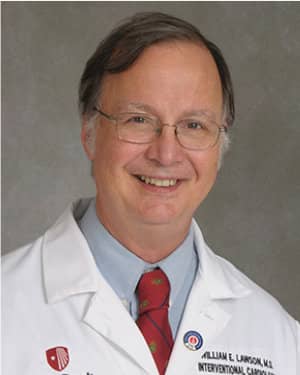
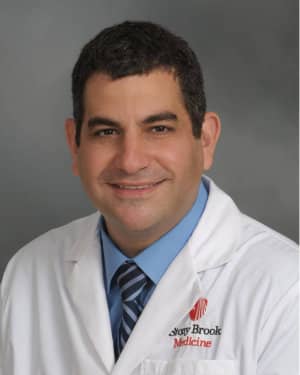
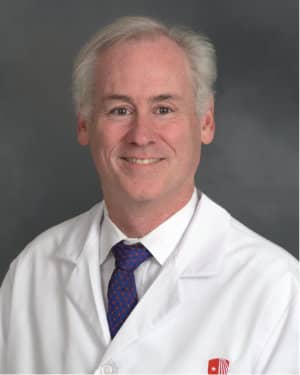
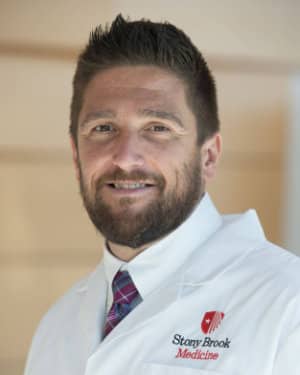
Our cardiologists, cardiac surgeons and dedicated nurses are known for delivering high-quality, compassionate care in a state-of-the-art facility. We value open communication and a strong partnership with our patients and their families.

FAQs About Heart Attacks
Early heart attack symptoms don’t always involve the chest.
Although chest pain is a classic symptom, other signs can be more subtle. There may be discomfort you wouldn’t define as “pain” and it may be felt in other places, like the inner arm — often, but not always, the left arm — or in the jaw or teeth. It may get worse with activity and improve with rest. It may come and go, increasing a bit each time it comes. It may feel like indigestion or the flu. You may feel extra tired, short of breath or sweaty. Or you may feel anxious, like something is wrong. And these signs can occur, hours, days, even weeks before the heart attack.
Symptoms differ for men and women and can vary from person to person.
Men tend to have their blockages—which cause the heart attack—in their main arteries and experience classic symptoms such as chest pressure, squeezing, or heartburn.
For over 70 percent of women who have heart attacks, the first symptom is unusual fatigue, shortness of breath, sleep disturbance, a feeling of anxiety, or indigestion.
It’s best to call 911 rather than drive or get a ride to the hospital. There are two big reasons for this:
- Ambulances are equipped with defibrillators, which can save your life if your heart attack triggers an unstable heart rhythm.
- Most Emergency Medical Services (EMS) ambulances are equipped with 12-lead EKGs, allowing results to be transmitted electronically to the hospital while en route. At Stony Brook Heart Institute, treatment teams and equipment are prepared before you arrive.
If you’re having a heart attack, a chest pain center is where you want to be. Everything done at a chest pain center is intentionally designed to provide the most effective and efficient assessment, diagnosis, and treatment.
You can learn hands-only CPR by watching this 60-second video from the American Heart Association. The simple steps can help save a life.
Immediate CPR from someone nearby can double—or even triple—a person’s chance of survival.
