Cardiogenic Shock
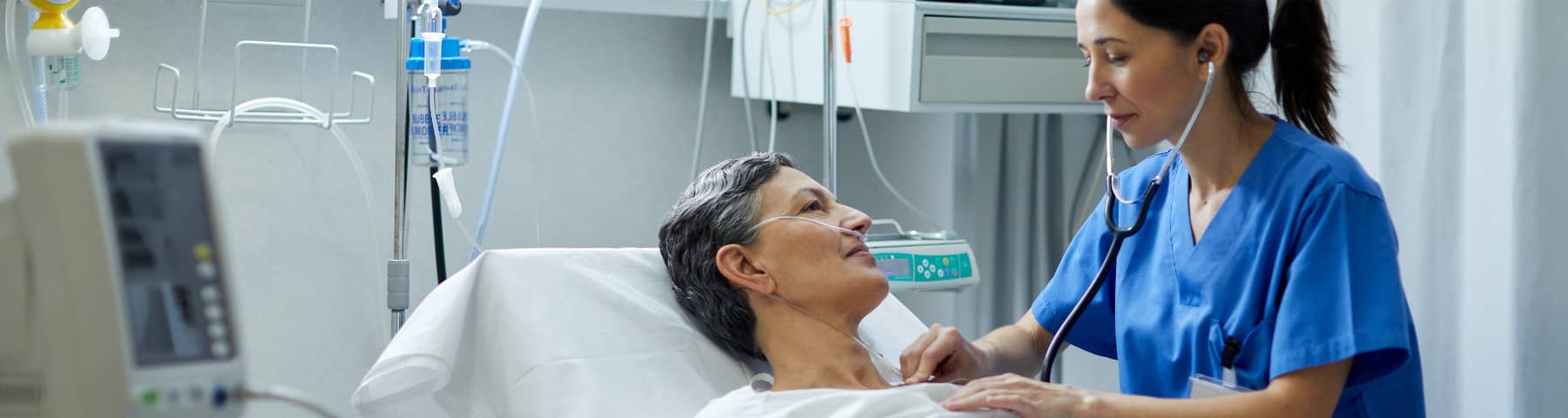
Cardiogenic shock is a critical condition where the heart suddenly fails to pump enough blood to sustain the body. At Stony Brook Heart Institute, our Cardiogenic Shock (CS) Program is designed to provide immediate, expert care using advanced protocols and cutting-edge technology to provide life-saving care when every minute counts.
As one of the few programs of its kind nationwide, we’ve built a rapid-response system to guide urgent transfers from hospitals across the region, ensuring patients receive unparalleled care. Our team of cardiac specialists leads the region in survival outcomes for heart attacks and heart failure.
Through our collaboration with the New York Cardiogenic Shock Registry, we’re advancing best practices and improving outcomes nationwide. With rapid diagnostics and treatment protocols, we’re committed to saving lives when every second matters.
Conditions Treated
While a severe heart attack is the most common cause of cardiogenic shock, our program is equipped to handle shock resulting from a variety of conditions, including:
- Heart failure
- Heart valve disorders
- Heart rhythm disturbances (arrhythmias)
- Infections affecting the heart
- Blood clots in the lungs (pulmonary embolism)
- Complications from surgery
Cardiogenic Shock Services
We use state-of-the-art strategies to stabilize patients and give them the best chance for a meaningful recovery. Our team is equipped to provide advanced treatment 24/7, including:
- Initial medical therapy for immediate stabilization
- Stent procedures to restore circulation
- Mechanical circulatory support (MCS) devices, including mechanical heart pumps for sustained stability and recovery
- Extracorporeal membrane oxygenation (ECMO) for patients who need complete circulatory system support
- 24/7 surgical support
Our Team
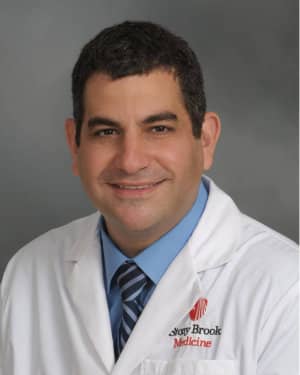
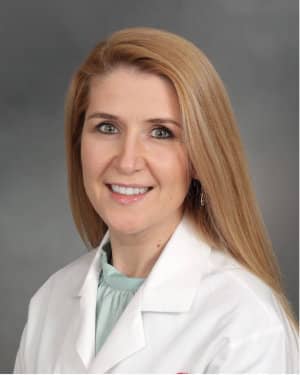
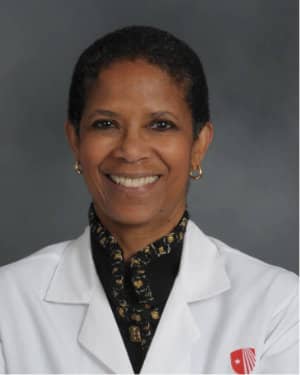
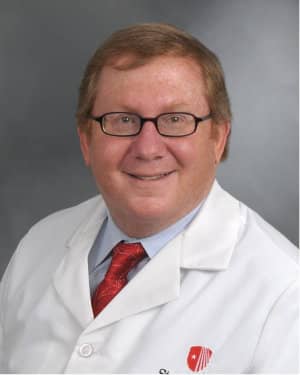
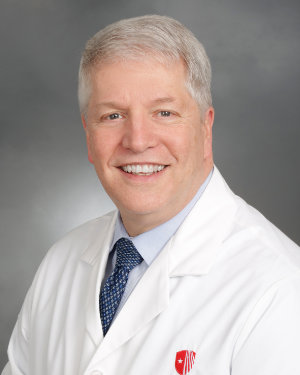
Our strength lies in our collaborative, multidisciplinary team of heart specialists. Experts in critical care, heart failure, interventional cardiology and cardiac surgery work together in every phase of a patient's care. This teamwork allows us to identify and implement the most appropriate treatment in the shortest amount of time, improving outcomes for our sickest patients.